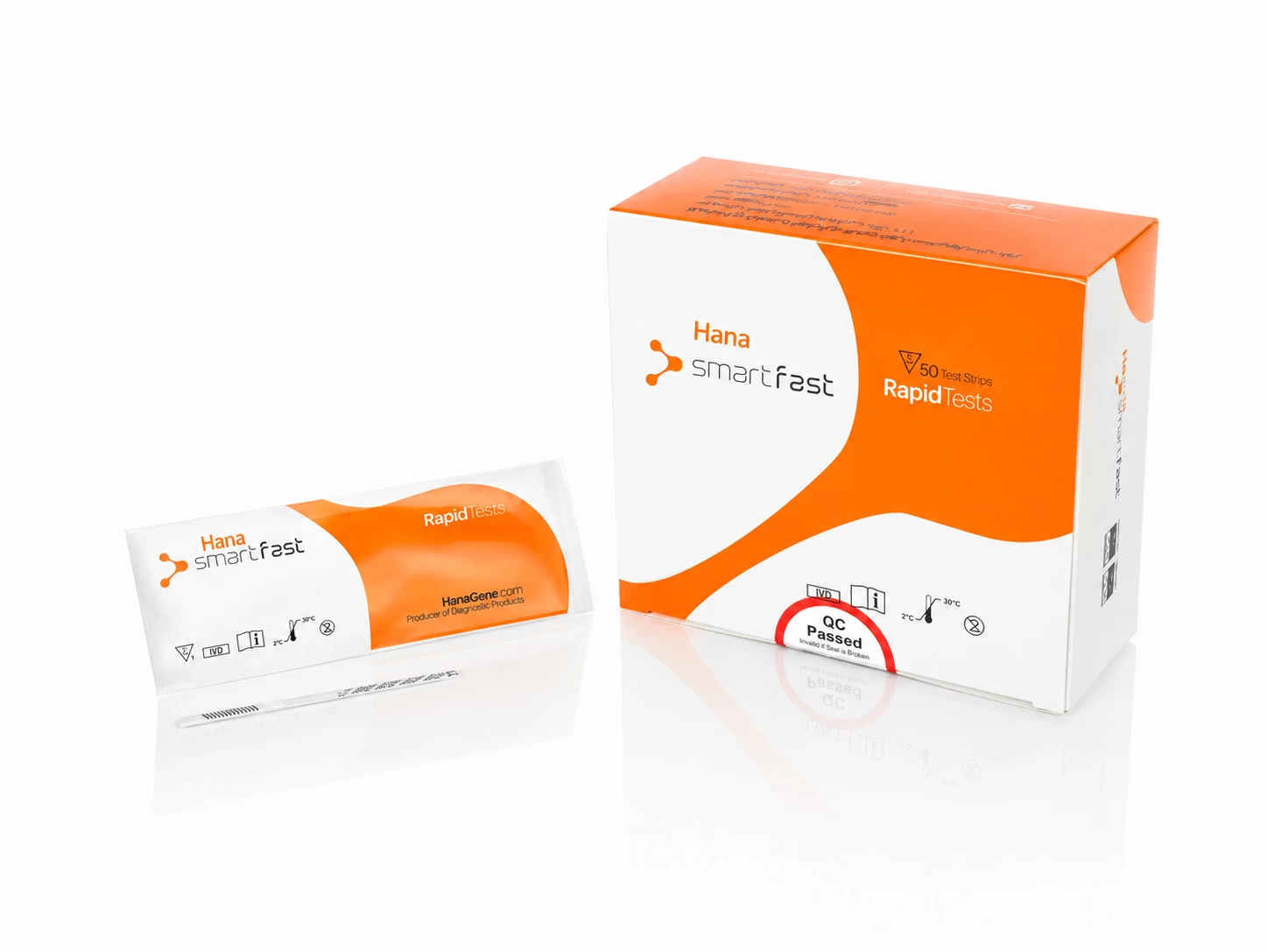
The MDMA Rapid Test Dipstick (Urine) is a Rapid chromatographic immunoassay for qualitative detection of Ecstasy in human urine at a cut-off concentration of 500 ng/mL which is only utilized for in vitro diagnostics (IVD). It merely provides a preliminary, qualitative and analytical result, therefore, an alternative method with more specificity is recommended to be used to confirm the initial results, in which case, the most preferred method is gas chromatography-mass spectrometry (GC-MS). In cases of drug abuse, especially when the test results are positive, clinical and expert observations are required.
Summary
Ecstasy or methylenedioxy-methamphetamine is a synthetic drug contracted from amphetamines and phenethylamines, which was first produced by a German pharmaceutical company in 1914 to treat obesity. MDMA causes the release of serotonin, dopamine, and noradrenaline in the brain thus being euphoric, considerably lowering the individual’s anxiety level. MDMA abuse affect body’s normal temperature and increases it, which causes dehydration due to excess perspiration. Of course, ecstasy makes the body secrete a hormone that stops urination, and so drinking a lot of water leads to salt imbalance in the body. These processes cause disorders and sometimes death. Ecstasy rapid test result becomes positive when the methylenedioxy-methamphetamine level in the urine exceeds 500 ng/mL.
- Function Method Basis
Rapid ecstasy urine test employs an immunochromatographic method based on competitive binding. Substances that may be found in urine specimen compete with ones metabolized by the liver to bind to antibodies. During the test, the urine specimen flows upward via capillary action. If the amount of ecstasy in the urine is below 500 ng/mL, it does not bind to the binding sites of the antibodies coated with gold nanoparticles. Consequently, the antibody conjugated with nanoparticles will be absorbed by the ecstasy on the surface of the membrane and will leave a colored line in the test area (T). Should the amount be greater than 500 ng/mL, no colored line will appear in the T area, since all the binding sites of the ecstasy antibodies are occupied. So, if the presence of ecstasy in the urine specimen is positive, no colored line will be formed in the test area (T) due to drug competition, whereas if the urine specimen contains ecstasy amounts lower than the desired level in the test, a colored line will appear in this area. In order to have a procedural control, a colored line always appears in the area of the control line (C), indicating the appropriate volume of the specimen added to the membrane.
- Certain medications that may cause a false positive result
|
OTC cold and allergy medications
Ephedrine, pseudoephedrine and deoxyephedrine, phenylephrine |
|
OTC anti-obesity medications
Phenylpropanolamine |
|
OTC nasal sprays
Afrin |
|
Anti-asthma medications
Marax |
|
Other drugs
Bupropion, chlorpromazine, desipramine, dextroamphetamine, isoxsuprine, labetalol, methylphenidate, ritodrine, selegiline, trimipramine |
Attachments
Certifications & Standards