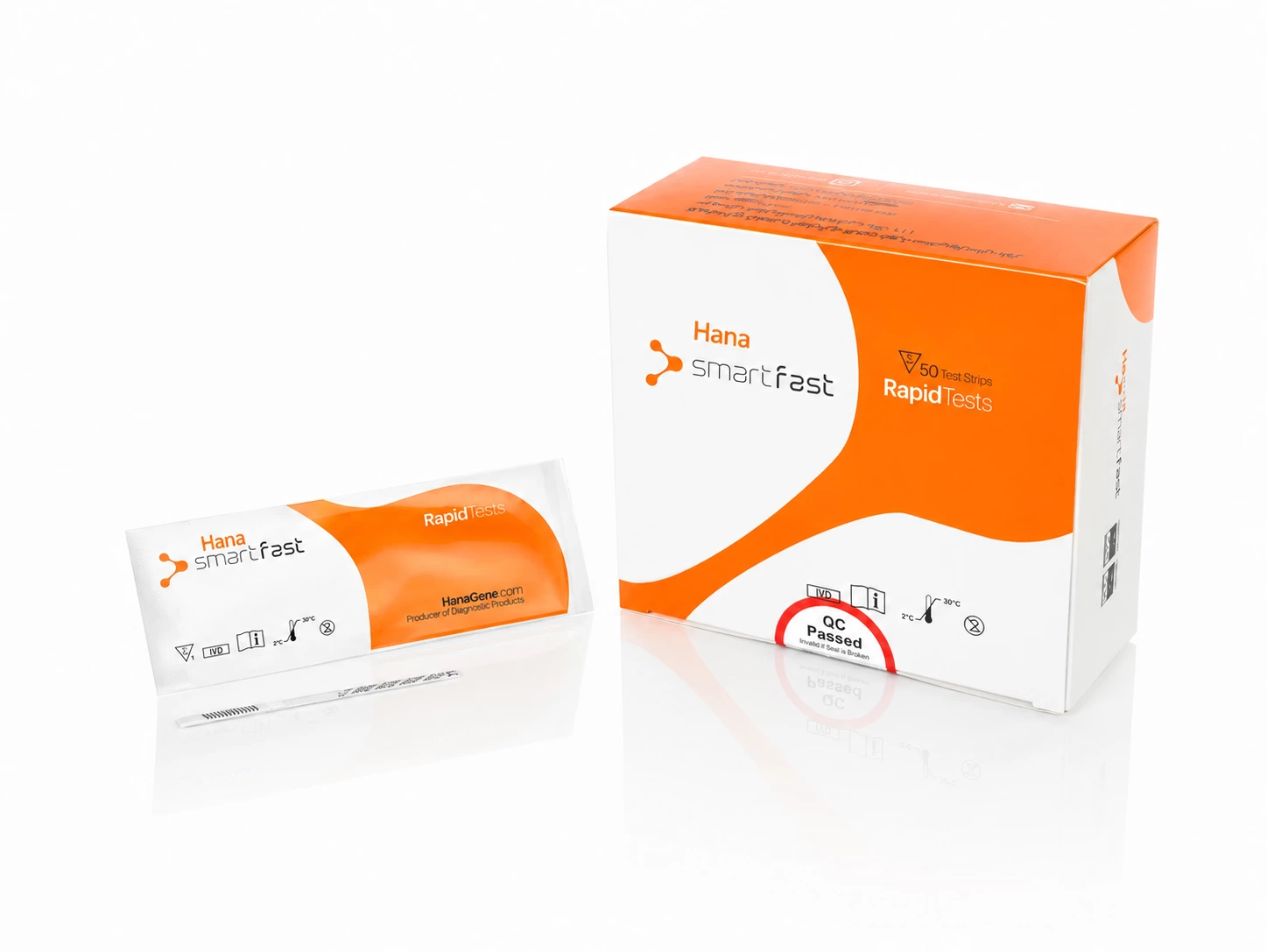
The PCP Rapid Test Dipstick (Urine) is a Rapid chromatographic immunoassay for qualitative detection of Phencyclidine in human urine at a cut-off concentration of 25 ng/mL which is only utilized for in vitro diagnostics (IVD). It merely provides a preliminary result, therefore, an alternative method with more specificity is recommended to be used to confirm the initial results, in which case, the most preferred method is gas chromatography-mass spectrometry (GC-MS). For substance abuse cases, clinical considerations must be taken into account, especially when test results are positive.
Summary
Phencyclidine is a dissociative hallucinogenic drug that was introduced to the market as an anesthetic for surgery in the 50s. However, in the late 60s, due to its side effects such as hallucination and delirium, it was more abused than used. The substance is taken in the form of powder, capsules, and tablets. Generally, its effect starts in the very first seconds of consumption which include sedative and anesthetic states. Since phencyclidine has the greatest effect on the brain, it can change an individual’s perceptions and has dangerous consequences. The effects this drug has on the body are similar to the symptoms of schizophrenia, paranoia, disorganized thinking, and confusion. People abusing phencyclidine suffer from slurred speech in the long term. Phencyclidine could be detected in the urine after being taken within 4 to 6 hours for 7 to 14 days, depending on factors like the metabolic rate, user’s age, weight, activity and diet. It is excreted in urine as an unchanged drug (4-19%) and conjugated metabolites (25-30%).
- Function Method Basis
Rapid phencyclidine urine test employs an immunochromatographic method based on competitive binding. Dring the test, the urine specimen flows upward via capillary action. If the amount of phencyclidine in the urine is below 25 ng/mL, it does not bind to the binding sites of the antibodies conjugated with gold nanoparticles. Consequently, the conjugated antibody will be absorbed by the phencyclidine on the surface of the membrane and will leave a colored line in the test area (T). Should the amount be greater than 25 ng/mL, no colored line will appear in the T area, since all the binding sites of the phencyclidine antibodies are occupied. So, if the presence of phencyclidine in the urine specimen is positive, no colored line will be formed in the test area (T) due to drug competition, whereas if the urine specimen contains phencyclidine amounts lower than the desired level in the test, a colored line will appear in this area. In order to have a procedural control, a colored line always appears in the area of the control line (C), indicating the appropriate volume of the specimen added to the membrane.
- Certain medications that may cause a false positive result
|
Antitussives (OTC cough medications
Dextromethorphan |
|
Antihistamines
Diphenhydramine |
|
Antidepressants
Imipramine, venlafaxine |
|
Anesthetics
Ketamine |
|
Synthetic opioids
Meperidine |
|
Antipsychotics
Thioridazine |
Certifications & Standards